
Ledger’s Hardware Wallet Tampering Scandal Reaches Europe and the Middle East
Ledger's hardware wallet tampering probe expands to Berlin and Dubai as compromised devices traced to authorized resellers reveal internal hardware implants capable of stealing recovery phrases during setup.

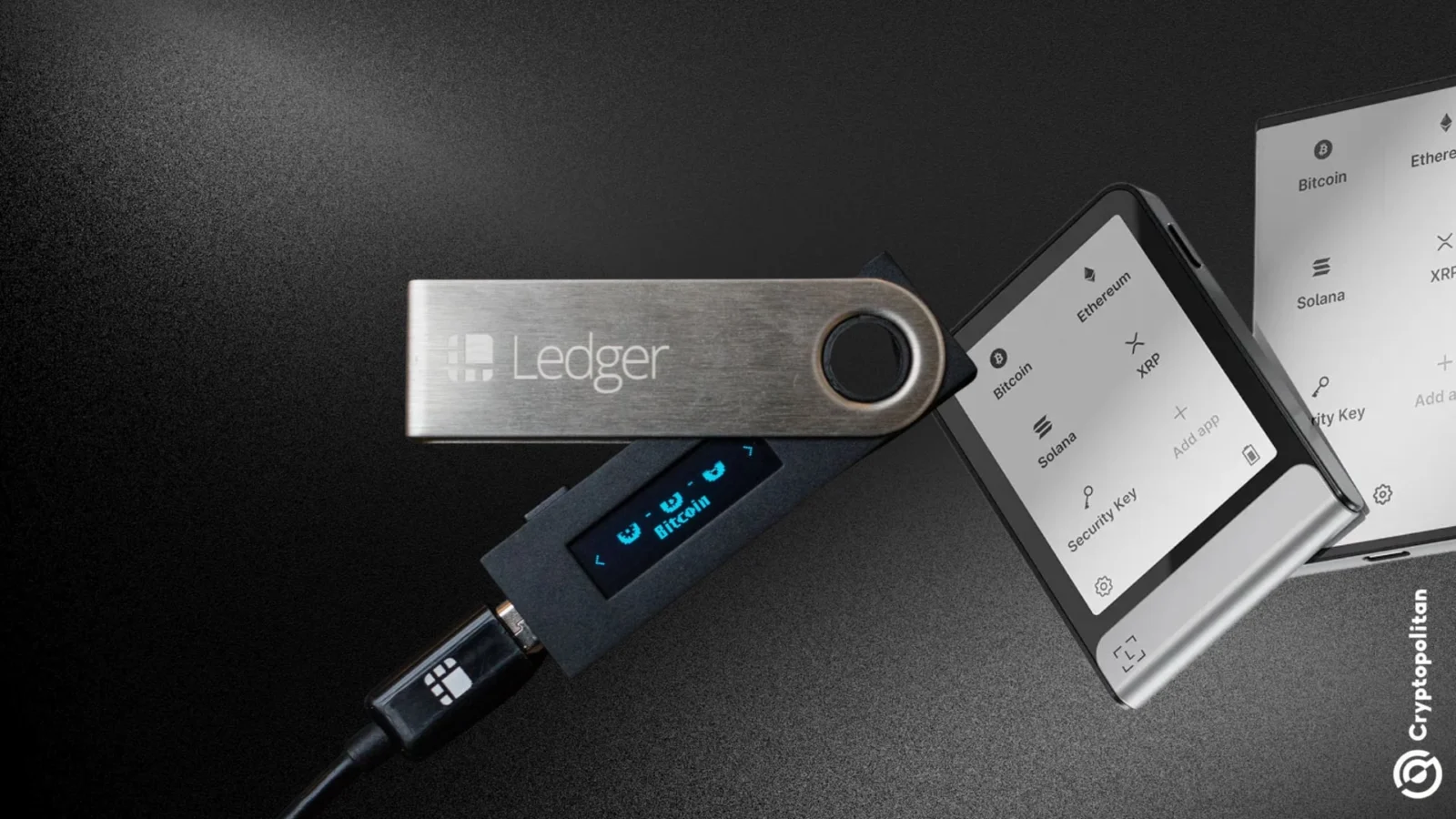
The probe by Ledger into compromised hardware wallets has expanded beyond Southeast Asia. In a November 18 progress report, the Paris-based crypto wallet manufacturer announced that its inquiry remains ongoing, revealing that a few compromised units have surfaced in Berlin alongside two suspected devices in Dubai. Ledger noted that these newly discovered instances trace back to “the same incident” affecting hardware wallets sold through the official reseller CryptoBilis in October.
Furthermore, the update disclosed that a single affected Nano Gen5 unit was found in Southeast Asia, demonstrating that the perpetrators possess access to current inventory, given that this represents the brand’s newest device.
Berlin Buyers Going Back to January Told to Check In
Ledger has instructed anyone who purchased a hardware wallet in Southeast Asia, Berlin, or Dubai at any point since January to contact customer support. After the security team flagged the initial tampered device from CryptoBilis on October 10, extending the support window backward by roughly nine months implies that altered devices may have occupied retail shelves for months.
In Germany, MediaMarktSaturn pulled Ledger merchandise from its physical and online storefronts on October 13 following a customer report of an internal implant. Ledger has not verified whether the tampered units discovered in Berlin originated from this retailer.
Simultaneously, two individuals in Dubai reported on X that they lost a combined $604,000 using devices purchased from an authorized vendor. One victim stated approximately 1,300 SOL was stolen, while the second reported a loss of 507,000 USDT.
How the Implant Steals the Seed Phrase
The attack vector remains consistent with Ledger’s initial security analysis. Perpetrators purchase authentic hardware, open the packaging, and integrate an auxiliary component inside the device. Because a Ledger device displays its 24-word recovery phrase on the screen during setup, the internal implant captures that display, interprets the words, and transmits them via LTE utilizing an embedded eSIM. The units are subsequently resealed and delivered to resellers.
Ledger maintains that “there is no flaw in Ledger’s secure chip or operating system, and no confirmed case involving a device bought on ledger.com.” The underlying security infrastructure remains robust since the Secure Element is untouched; however, because the implant intercepts the recovery phrase during initialization, the attackers gain dominion over the wallet before the user deposits any funds.
The Loss Numbers Are Still Unofficial
Ledger has not officially verified any financial loss figures. However, onchain analytics provider Bitquery estimates the losses in Southeast Asia at approximately $102 million, alongside an additional $1.68 million drained from 16 wallets linked to Dubai and Berlin. Additionally, Singapore police reported that local victims suffered losses totaling 3.5 million, as previously covered by Cryptopolitan.
The company characterizes the impacted products as “a small number of devices overall” while anticipating that additional instances may emerge.
The Tampered Units Came Through Authorized Resellers
CryptoBilis operated as an authorized Ledger reseller, and the Dubai victims reported that their devices originated from a similar channel. For years, standard safety guidance urged consumers to bypass marketplace vendors like Amazon or eBay and instead purchase directly from official partners. This malicious campaign directly bypassed that precaution.
Additionally, Ledger’s Genuine Check tool fails to detect the tampering because it authenticates the secure chip, which remains genuine in these units. Consumers purchasing from an authorized retailer have no practical method to determine if the packaging was previously breached prior to stocking, short of dismantling the hardware—an action Ledger warns can cause damage.
Presently, ledger.com remains the sole sales channel untouched by confirmed incidents in this investigation.
Don’t just read crypto news. Understand it. Subscribe to our newsletter. It’s free.


Comments 0 responses