Polygon Labs Goes All-In: Swallows Payments and Infra Startups in Bold Expansion Play

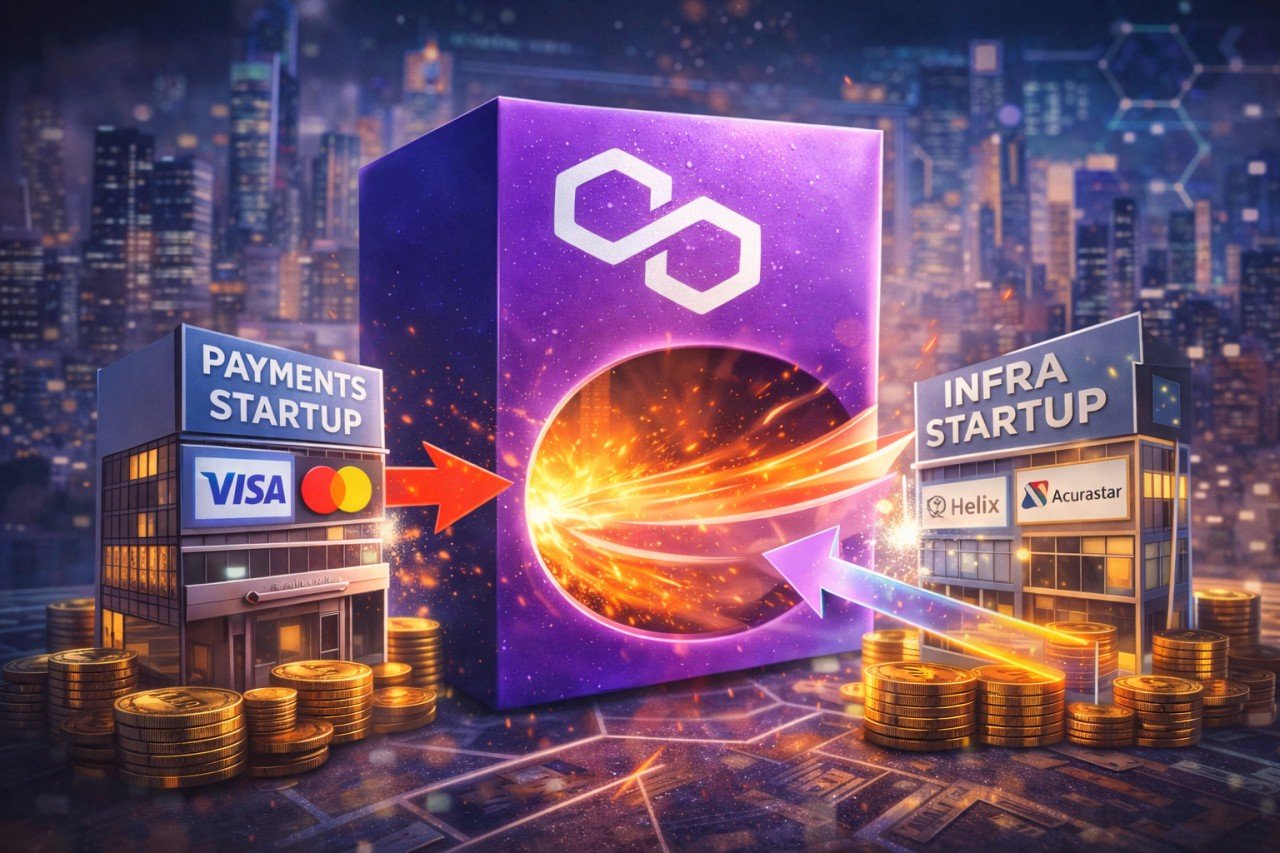
The deal closed quietly, the way big moves often do in this space, a late-night term sheet, a few knowing nods at a Mumbai investor dinner, then press releases timed for Asian morning markets. Polygon Labs, once the plucky sidechain to Ethereum’s ambitions, isn’t just building Layer-2 anymore. They’ve snapped up two key players: a payments gateway with deep UPI hooks and an infra outfit specializing in chain-agnostic bridges. It’s a power grab disguised as consolidation, and it positions Polygon as India’s — maybe Asia’s- answer to Stripe for blockchains.
From Sidechain to Superapp Ambitions
Rewind to 2021, when Polygon was the escape hatch for Ethereum’s gas hell. Developers flocked, TVL ballooned, MATIC (now POL) became a top-20 staple. But Marc Fascano and crew always had bigger eyes. These acquisitions, a payments firm with 15 million monthly UPI-linked transactions and an infrastructure play bridging Solana, Base, and TON, integrate real-world ramps into the stack—no more clunky third-party onramps. Think instant INR-to-USDC swaps at zero spread, settled on AggLayer, Polygon’s interoperability glue.
The payments buy screams local. India’s UPI moved 15 billion transactions last month alone, a tsunami of volume that crypto exchanges can only dream of. Polygon now owns the pipe: scan a QR, bridge to AggLayer, land in a DeFi pool or GameFi wallet. Compliance? Baked in, with Aadhaar-optional KYC for high-volume users, dodging the Finance Ministry’s latest crypto leash.
The Infra Muscle Flex
The second piece, the Bridges Company, is meatier tech. They’ve cracked something tricky: trust-minimized state sharing across chains without full ZK proofs (yet). Polygon’s vision, a “unified liquidity layer,” gets real legs here. Imagine a Mumbai freelancer earning USDC on Base, swapping to PYUSD for a gig, settling back to INR via UPI, all atomic, sub-second, under 50 cents total fees.
Skeptics mutter “centralization.” Fair. Polygon’s not fully decentralized; validators still lean toward big cloud providers. But in a world where India’s clamping down on foreign CEXes and stablecoins needs local blessing, this feels less like a compromise and more likea checkmate. The infra acquisition brings 200+ enterprise clients, telcos, remittance firms, and even a state-backed CBDC pilot, who now get Polygon as their default L2 stack.
Timing That Stinks of Genius
Why now? India’s crypto vice grip tightens daily, TDS hikes, wallet reporting, and foreign exchange blocks. Polygon, born in Bangalore with deep local roots, sidesteps the pain. Their payments arm already processes compliant rupee ramps; the infra side hooks into e₹ pilots without tripping FIU wires. Meanwhile, global rivals like Solana paywalls or Arbitrum DAOs scramble for compliant onramps.
Geopolitics helps too. With Trump tariffs looming and China’s digital yuan eyeing South Asia remittances, Polygon pitches itself as the neutral hub: Ethereum-secured, India-optimized, Asia-scalable. AggLayer becomes the glue for a dozen sovereign pilots, UAE dirhams, Singapore dollars, who knows, maybe e₹-pegged stablecoins by Diwali.
Winners and the Walking Wounded
For users, it’s a no-brainer. Retail in Delhi gets sub-paisa swaps where Binance offered slippage and VPN roulette. Devs building on Polygon now access UPI liquidity pools natively, think yield farms backed by real merchant flows. Enterprises? That’s the dark pool money: HDFC testing tokenized deposits, Reliance eyeing supply chain settlement.
Risks lurk, naturally. Integration hiccups could gum up the works. Regulators might eye the TVL concentration warily. And Polygon’s still tethered to Ethereum’s roadmap; if PeerDAS flops or ZK-EVMs lag, the whole house wobbles.
But walk into Polygon’s Koramangala office today, whiteboards buzzing with UPI sequencer diagrams, engineers chain-smoking bidis over cold filter coffee, and the energy crackles. This isn’t a sidechain anymore. It’s infrastructure with a moat: local money, global chains, zero-friction flows.
The screens in Bandra’s trading flats will light up soon enough. Not with pumps, but with volume, the quiet kind that builds empires. Polygon Labs didn’t just acquire companies. They acquired the next decade’s onramp.

Anna Dovzhenko is a skilled PR and advertising professional with a strong focus on content strategy and brand communication. With a keen eye for storytelling and a deep understanding of audience engagement, Anna specializes in crafting compelling content that builds brand identity and drives results. Her expertise spans media relations, digital campaigns, and content development, making her a valuable asset in any marketing or communications team.
More from this author

Comments 0 responses